4 hr
Signal Island Turtle Encounter & Lagoon Adventure
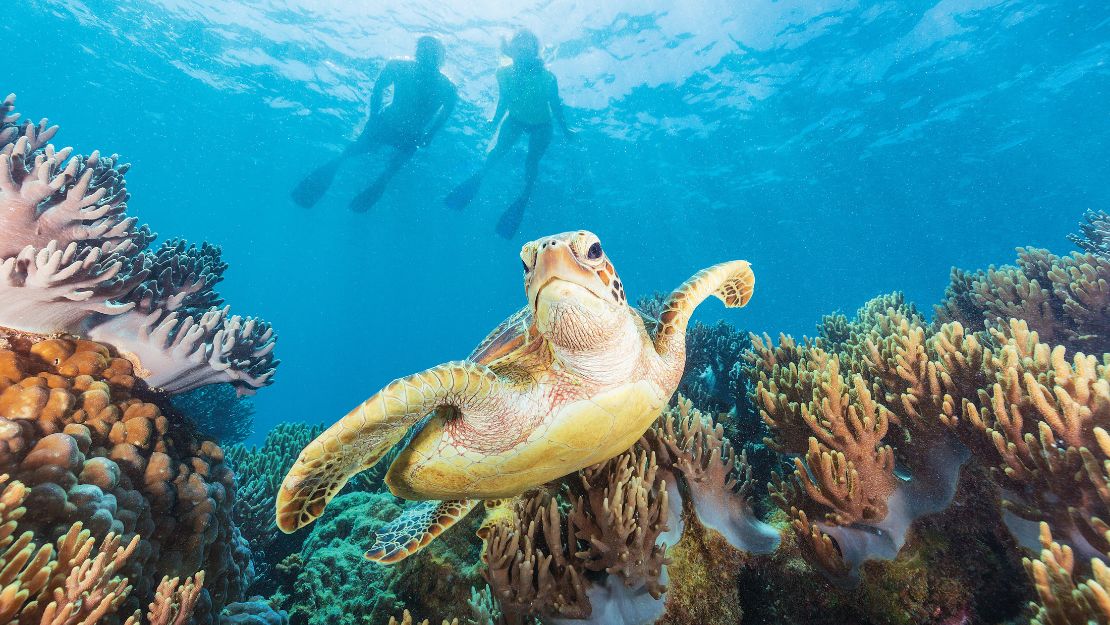
Cruise to a pristine island sanctuary, snorkel vibrant reefs, and meet green sea turtles in crystal waters
Reserve
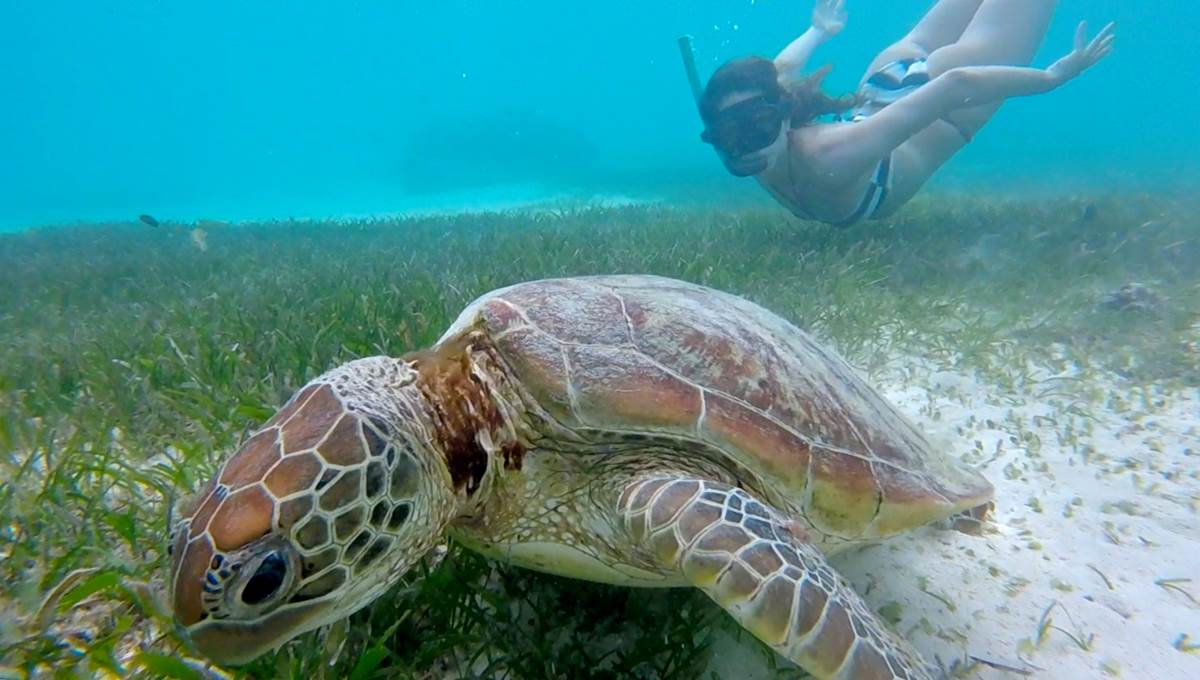
Wade into crystalline shallows where green turtles graze, conservation meets immersion.
Hand-picked by our editors — only the best 4 marine experiences from 19 reviewed.
Verified partners for Signal Island Turtle tours, free cancellation where available, and instant confirmation on every booking.
4 hr
Cruise to a pristine island sanctuary, snorkel vibrant reefs, and meet green sea turtles in crystal waters
Reserve
6 hr
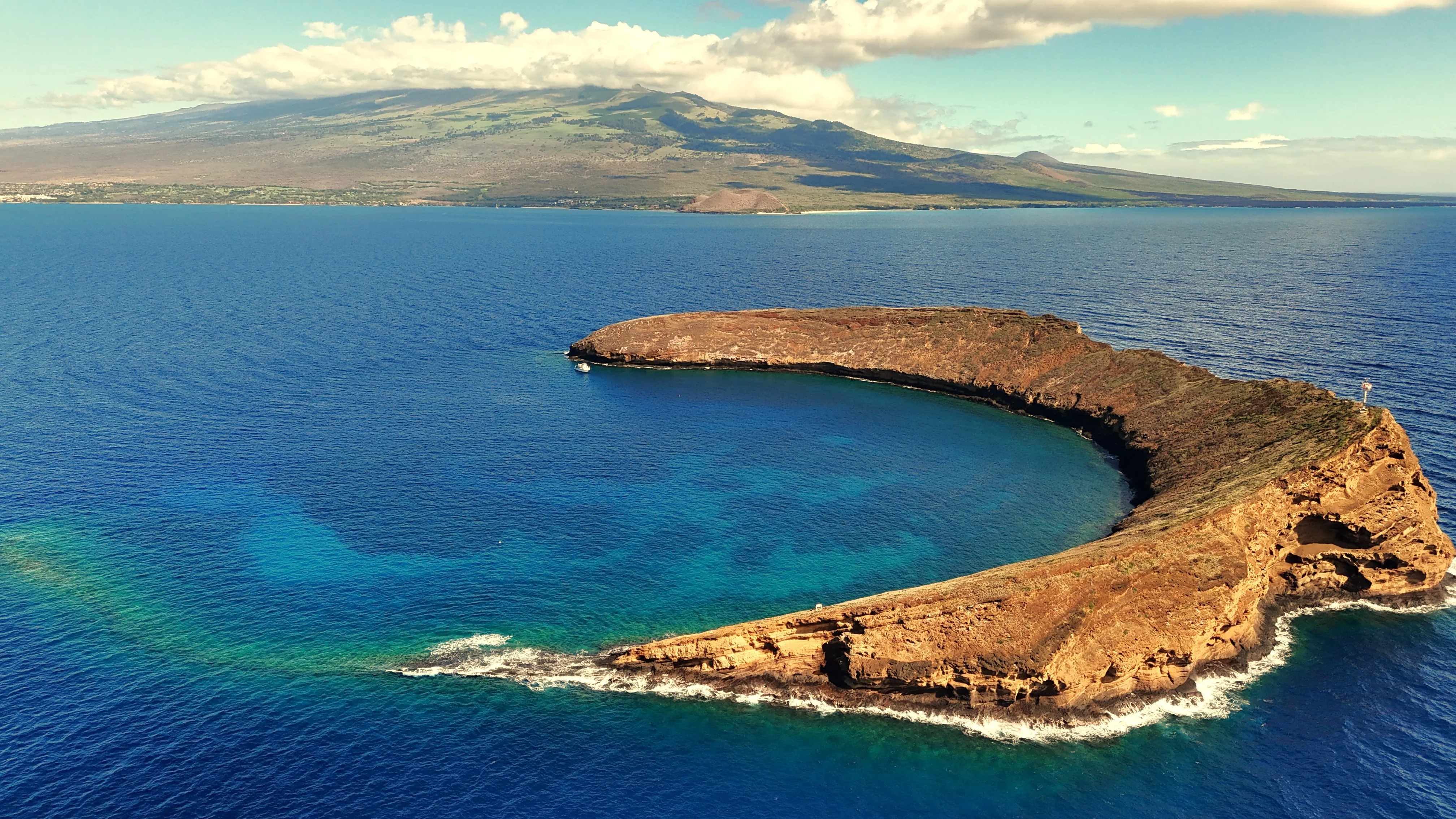
Snorkel alongside sea turtles in a protected marine reserve surrounding a historic island lagoon
Reserve
8 hr
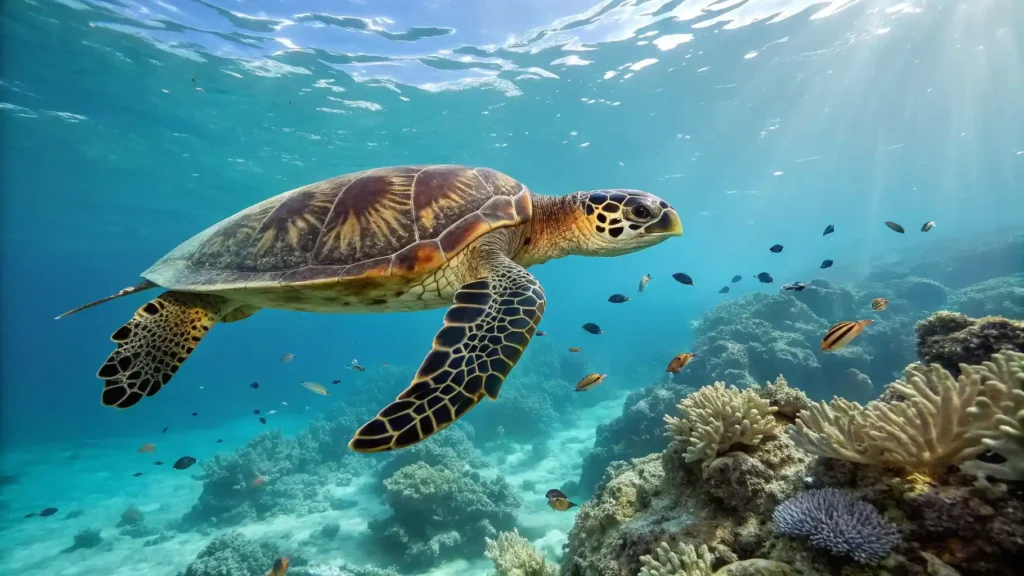
Ferry across to a pristine coral island, snorkel independently among turtles, and explore deserted beaches
ReservePrices from verified partners. Availability updates in real time at checkout. Free cancellation policies apply where shown.
The landmarks, rooms, and views travelers on Signal Island Turtle tours remember — all visible on a single visit.
The main entry point, ideal for quick access to the snorkeling zones and seagrass beds.
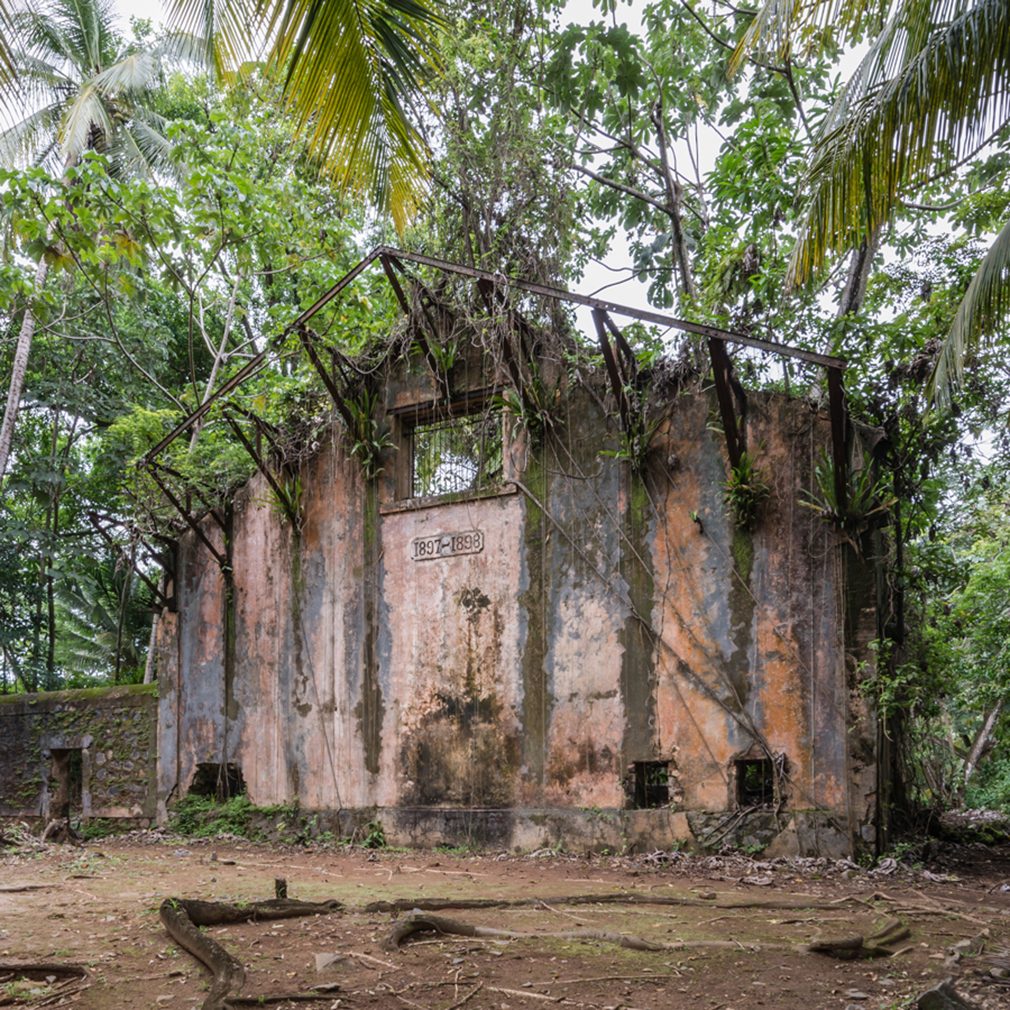
Historical remnants providing a unique educational backdrop to the nature reserve.
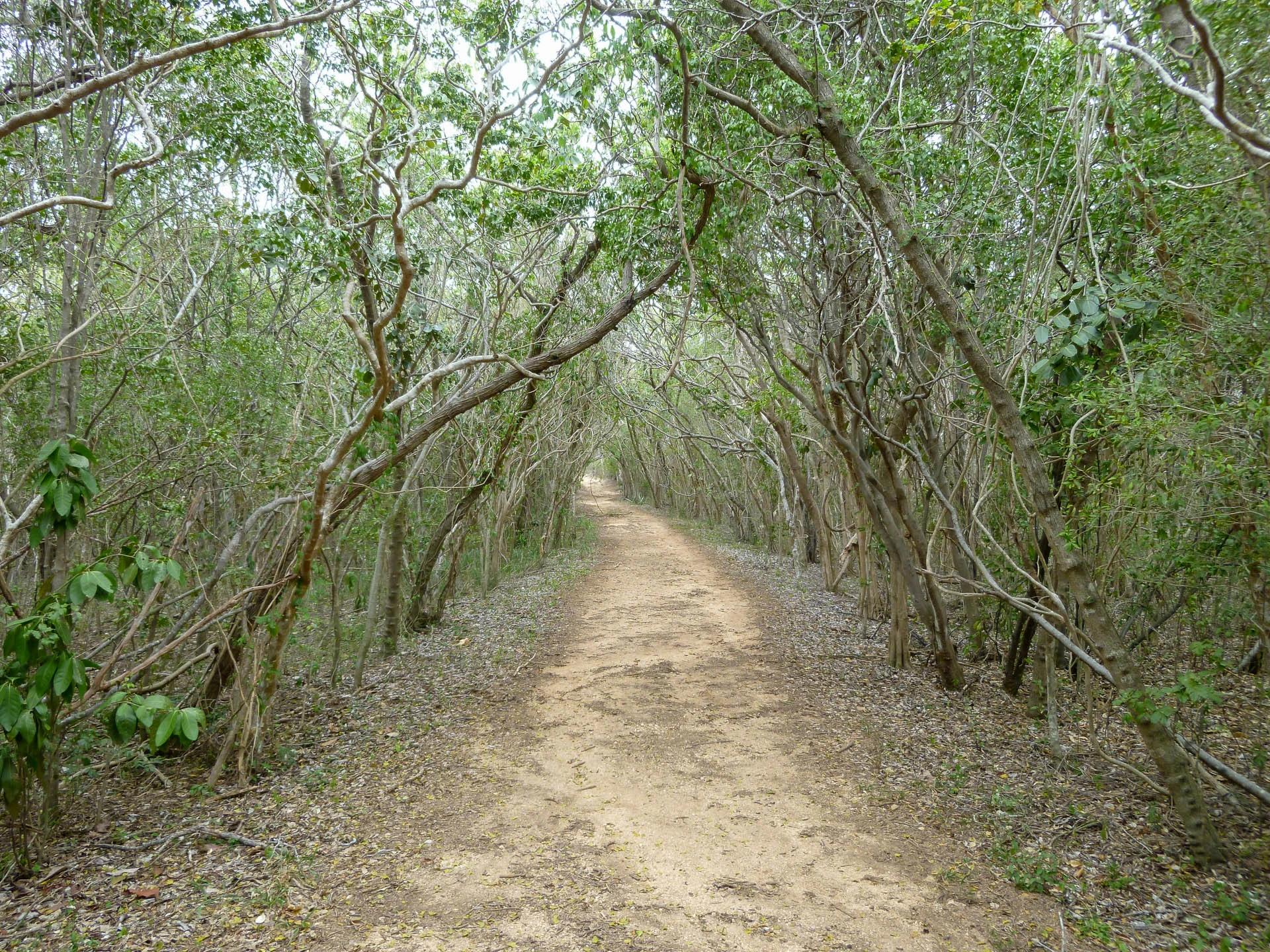
A designated walking trail showcasing local endemic plant species and birdlife.
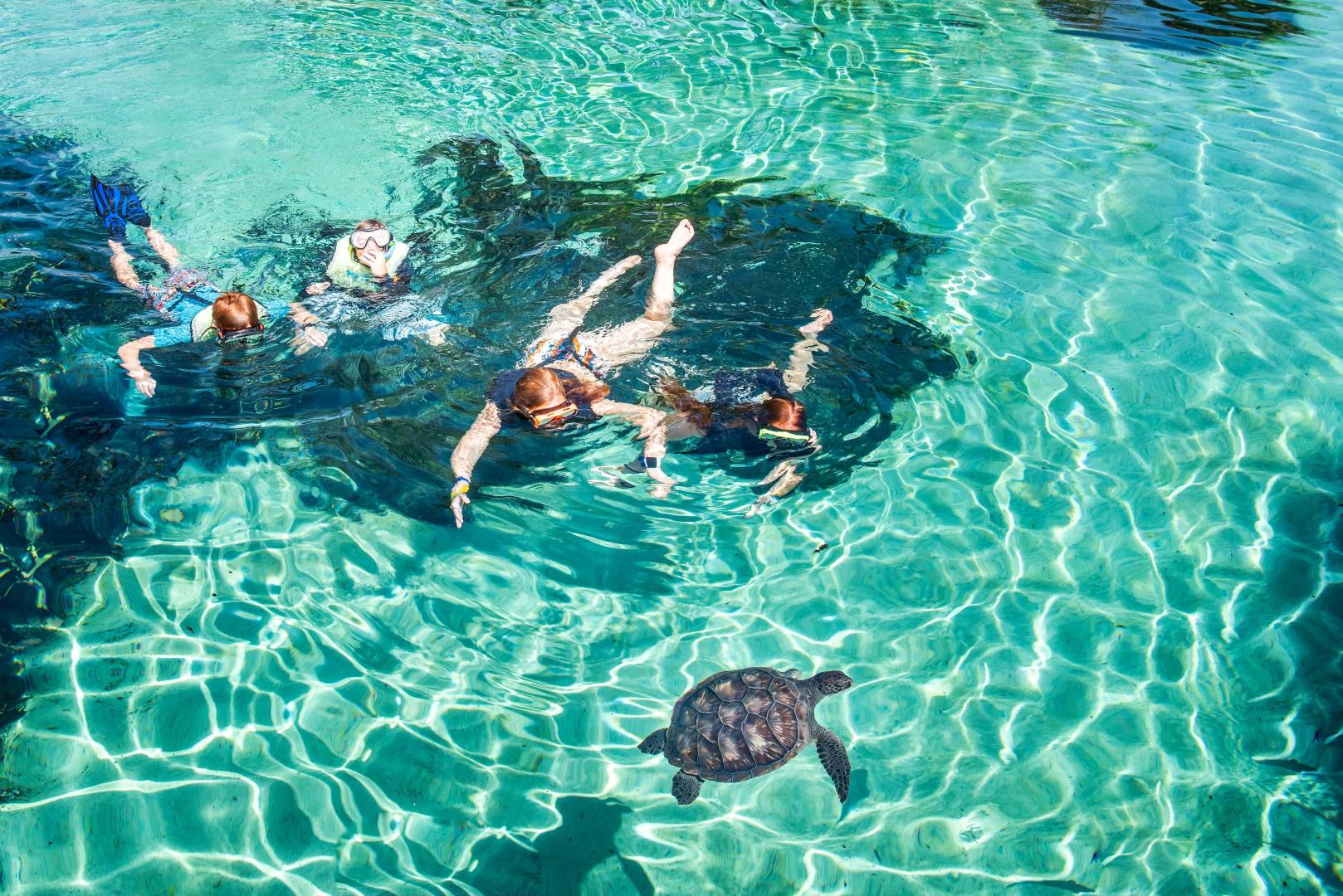
The primary location to observe turtles grazing in the shallow, protected waters.
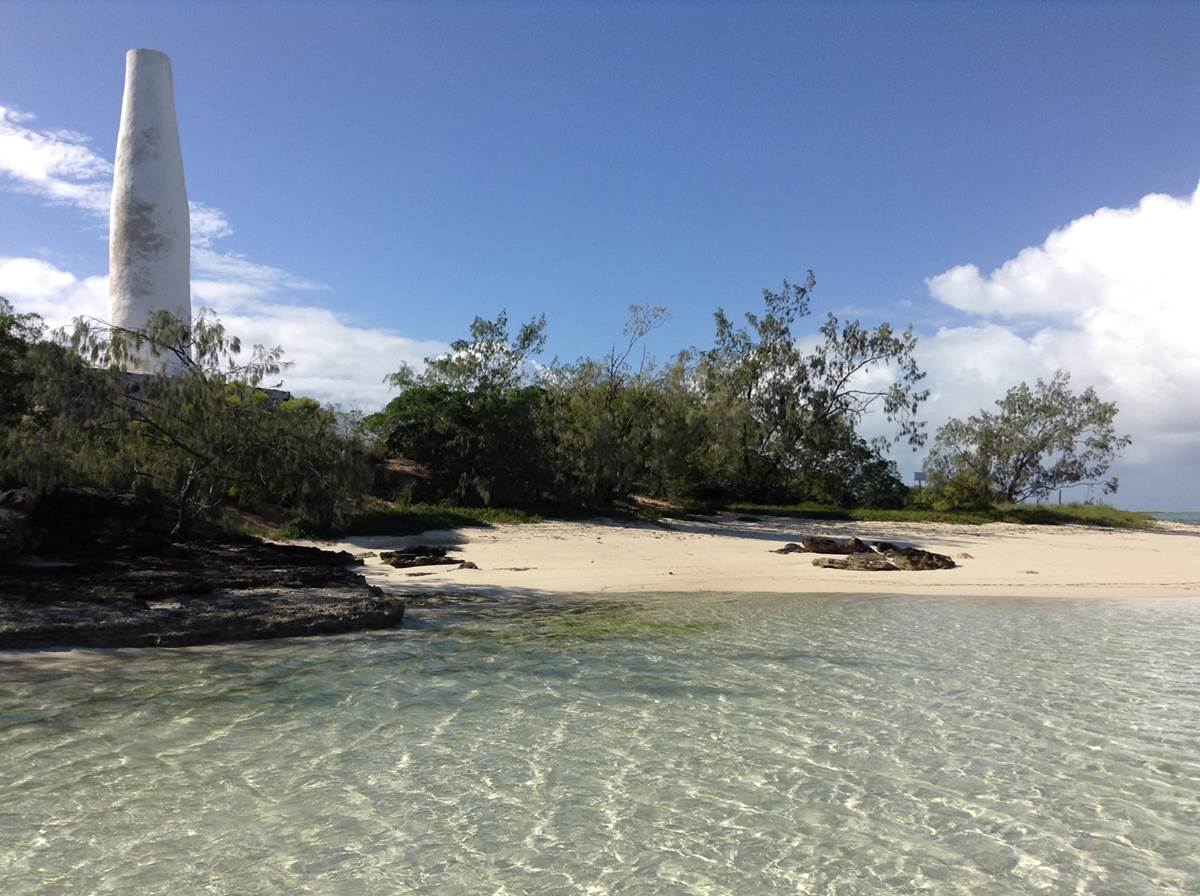
A historic navigation structure that offers panoramic views of the surrounding lagoon.
Every Signal Island Turtle tour side-by-side — duration, what's included, how you redeem.
| Experience | Duration | Rating | Skip-the-line | Guide | Small group | Free cancel. | Price | |
|---|---|---|---|---|---|---|---|---|
|
Standard Entry Most popular
Signal Island Turtle Encounter & Lagoon Adventure
|
4 hr | ★ 4.5 | — | — | — | ✓ | €46 | Book → |
|
Guided Experience
Signal Island Turtle Encounter & Snorkel Experience
|
6 hr | ★ 4.8 | ✓ | ✓ | ✓ | ✓ | €78 | Book → |
|
Guided Experience
Laregnere Island Water Taxi & Snorkeling Escape
|
8 hr | ★ 5.0 | ✓ | ✓ | ✓ | ✓ | €56 | Book → |
All prices from verified partners. Availability and exact terms confirmed at checkout.
Signal Island offers a rustic, self-guided marine reserve experience, while Amedee Island provides a fully serviced, guided excursion; most visitors find the former more suitable for independent snorkeling and the latter for convenience.
| Feature | Top pick Signal Island | Amedee Island |
|---|---|---|
Experience Type |
Nature conservation area | Full-service day excursion |
Facilities |
None | Restrooms, buffet, lounge chairs |
Tour Inclusions |
None (independent) | Guided tours, lunch, transport |
Turtle Spotting Likelihood |
High (natural habitat) | Low (limited beach area) |
Crowd Levels |
Low (secluded) | High (tourist-heavy) |
Dining Availability |
Bring your own | On-site restaurant provided |
| See tickets → |
Verdict: Choose a signal island turtle tour tour if you prefer solitude and wild snorkeling, or select Amedee Island if you require organized signal island turtle tour tours and signal island turtle tour tickets that bundle all amenities.
Choose your ticket, select your date, and reserve in under two minutes. Secure checkout handled by our verified partner.
Instant confirmation by email, with a mobile voucher you can save offline. No printing, no queuing at a collection desk.
Arrive at the entrance, show your voucher on your phone, and walk in. Most tickets include priority or skip-the-line access.
Practical details for Signal Island Turtle tickets straight from our verified partners — hours, access, rules, and how to get there.
98800 Nouméa
Standard departure point for most taxi boats.
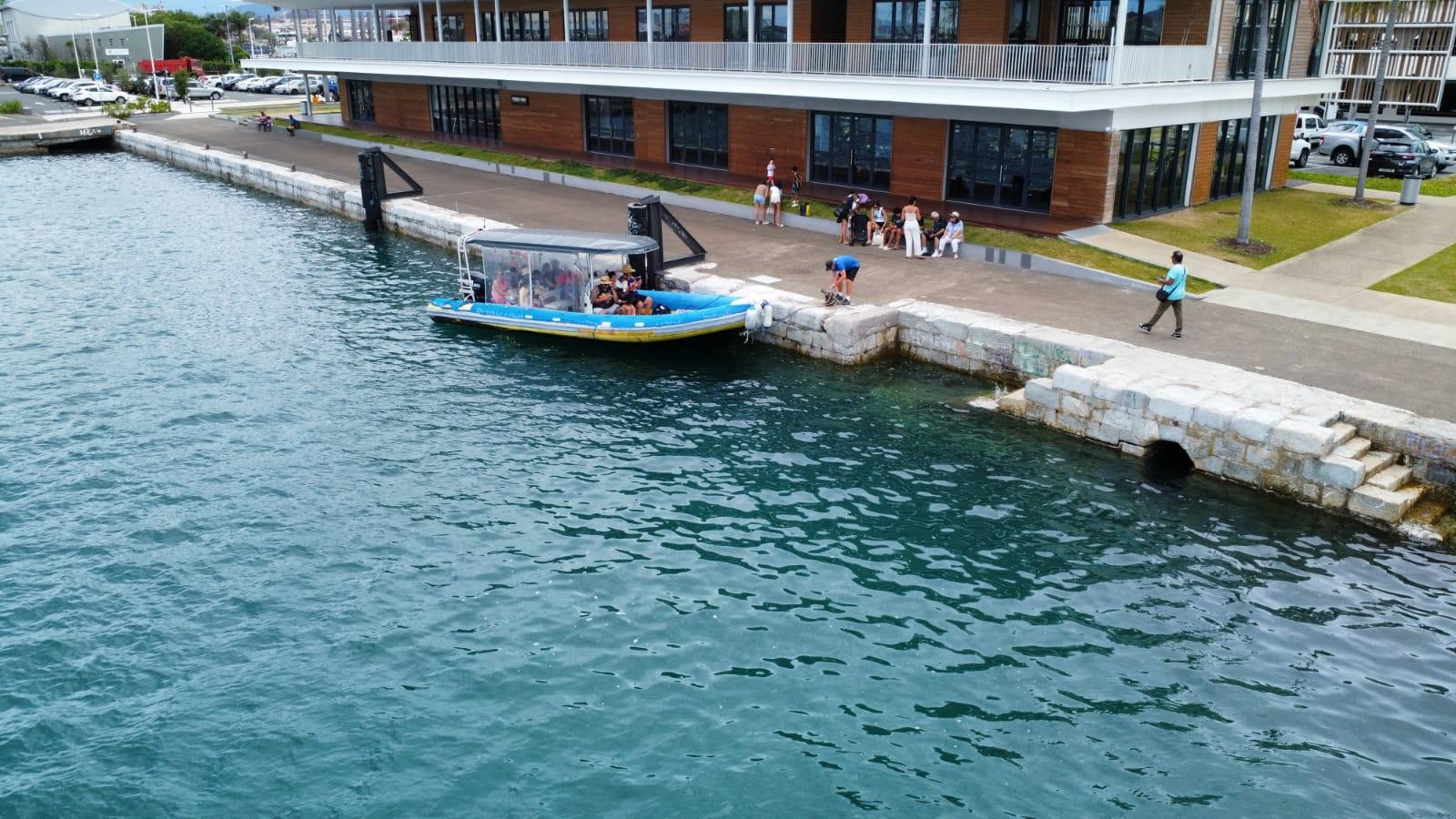
Open in Google MapsTaxi boats depart from Port Moselle or Anse Vata Beach.
Casual beachwear is appropriate for the signal island turtle tour. Wear comfortable walking shoes for the island's historical trails and swimwear for snorkeling.
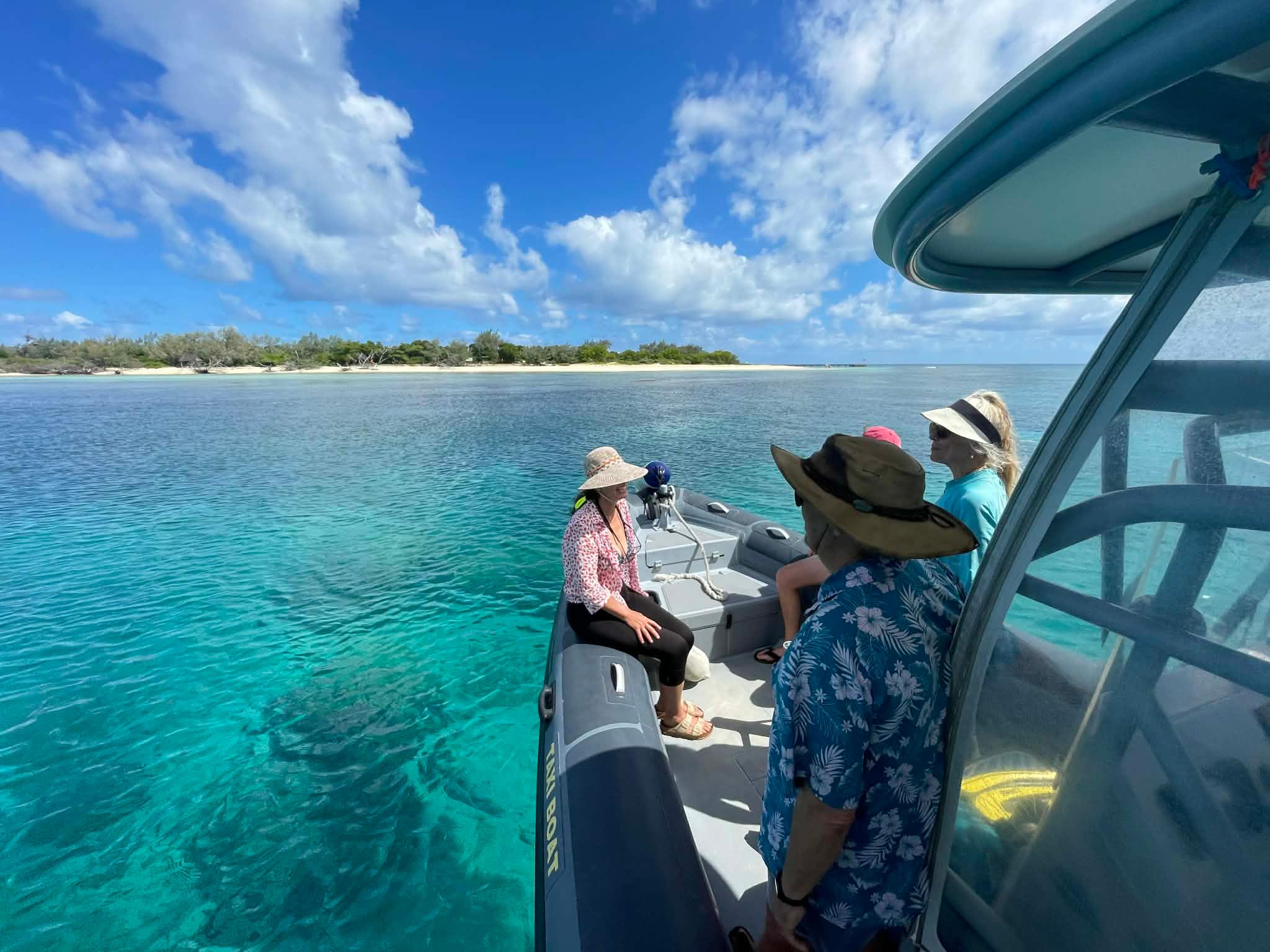
There are no lockers on Signal Island. Bring only what you can carry in a waterproof bag, as you will be traveling on a small, open-air taxi boat.
Photography is encouraged, especially for marine life. Bring a waterproof camera to document your signal island turtle tour experience among the coral reefs.
The island is not wheelchair accessible. The jetty requires stepping onto uneven surfaces, and island paths are sandy or forest-based.
Mobile phones are permitted. Keep ringer off inside exhibition spaces.
Families are welcome, but be aware that the boat ride can be bumpy. Children should be supervised at all times near the water and wildlife.
There are no shops or facilities on the island. You must bring all food and water required for your signal island turtle tour duration.
Pets are not allowed, with the exception of service animals with appropriate documentation.
Last entry is typically 1 hour before closing. Check the specific ticket for timing.
Best time to go, insider tips, nearby landmarks, and the cancellation fine print — flip through to skim what matters to you.
How crowds, weather, and events shift across the year.
Optimal for calmer seas and stable weather for snorkeling trips.
Warmest waters; turtles are very active in the shallow seagrass beds.
Cooler temperatures; ideal for hiking the historical island trail.
Clear water visibility, though sea conditions can occasionally be breezy.
Small details that turn a good visit into a great one.
Always verify wind conditions before booking your signal island turtle tour. High winds can make the boat ride to the island significantly bumpier.
Aim to start your signal island turtle tour within the best arrival window of 08:00–14:00 to maximize daylight. This ensures you see the turtles during their peak activity hours.
Bring your own snorkeling equipment if possible. While some operators provide it, having your own fit is better for a long signal island turtle tour.
Do not touch or crowd the sea turtles. They are protected residents, and following proper etiquette ensures the longevity of your signal island turtle tour.
Wear water shoes or sturdy sandals. The island trail has sections of coral and rocky ground that are uncomfortable for bare feet.
There is limited shade outside of the farés. A hat and high-SPF sunscreen are essential for any signal island turtle tour.
Non-bookable sights within a short walk — free to visit, easy to pair.
Historical structure marking the channel entrance.
Remnants of the 19th-century history on the island.
A protected walking path through local dry forest flora.
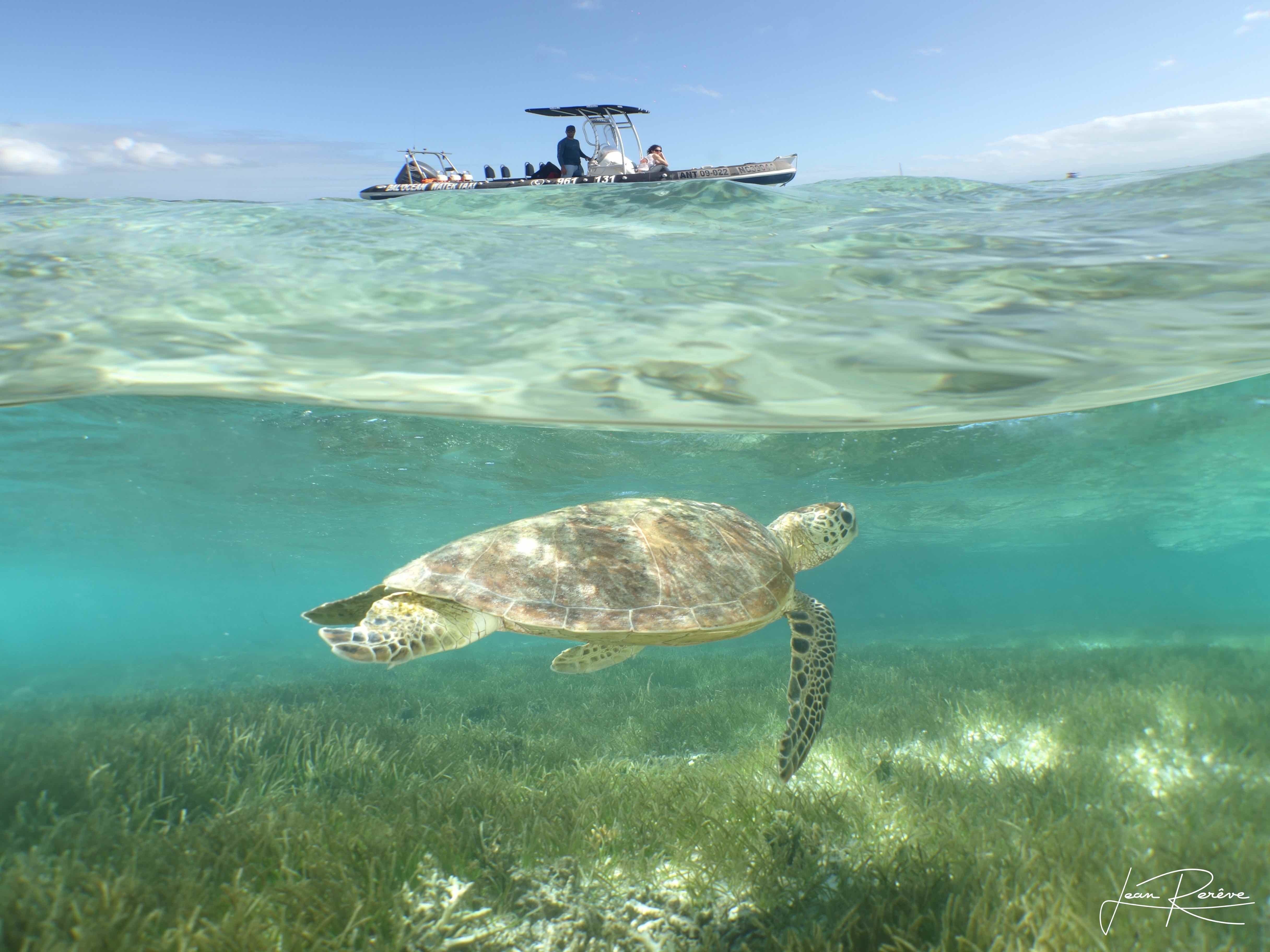
Primary habitat for local green sea turtles.
Flexible, no hidden fees.
Cancellation policies depend on the specific water taxi operator. Most require notification at least 24–48 hours in advance for a refund of paid transfer fees.
Hand-picked options within walking distance — pick a district for vibe, or a specific hotel for convenience.
Mainland hotels provide convenient access to the port.
Coastal resorts with proximity to alternative boat departures.
Close to the primary water taxi terminal for morning departures.
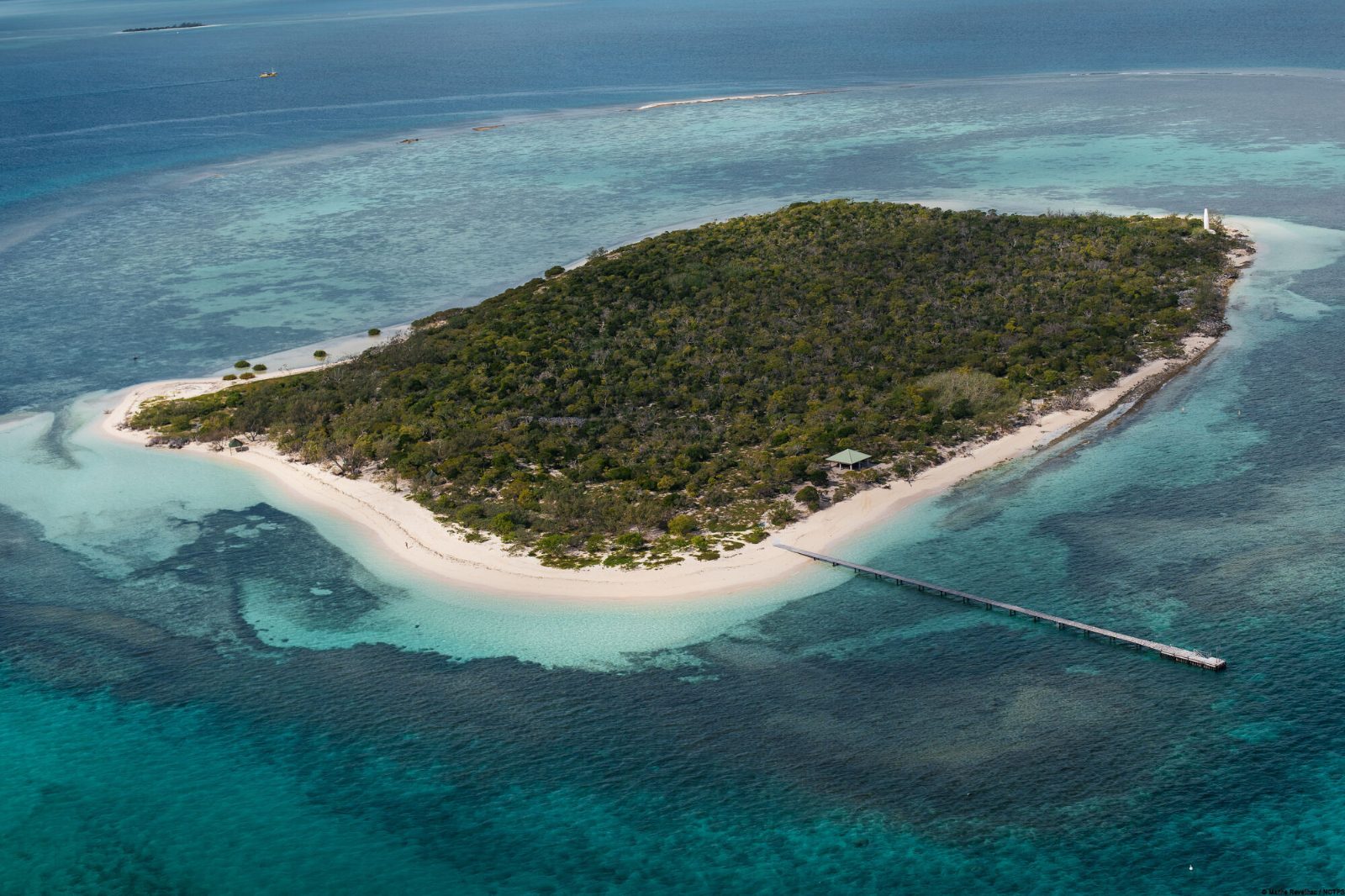
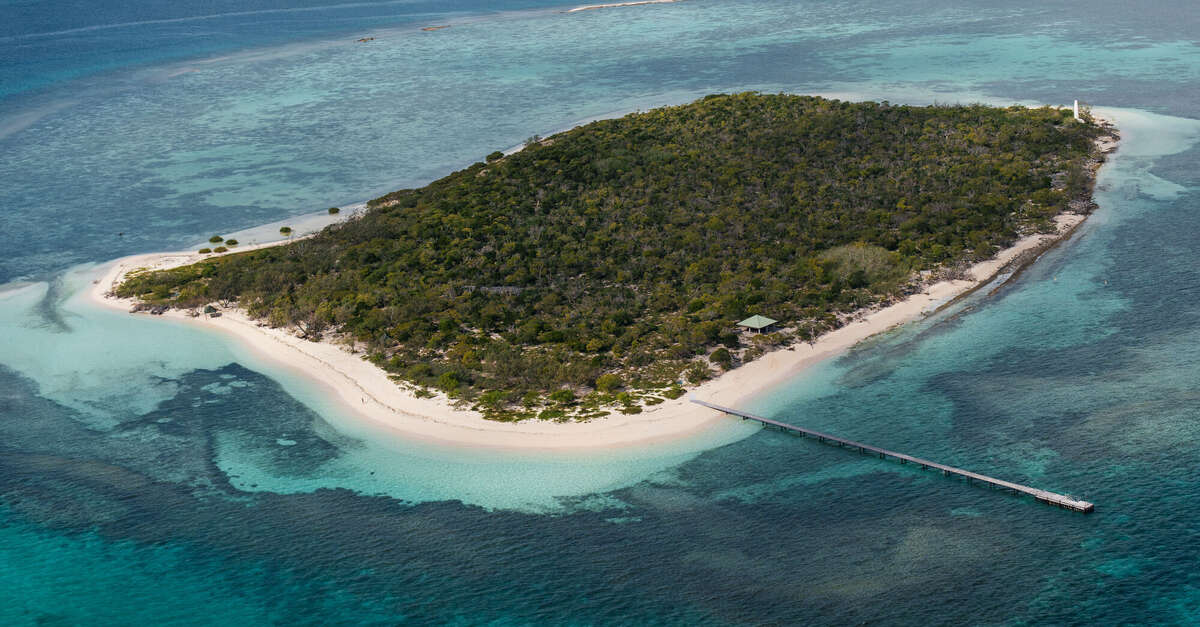
Signal Islet lies three kilometers southwest of Nouméa's Anse Vata beach, a 15-hectare coral outcrop ringed by seagrass beds that support one of New Caledonia's densest resident populations of green sea turtles.
The islet was declared a provincial marine reserve in 1989, prohibiting fishing and anchoring within a 500-meter radius and allowing Chelonia mydas numbers to recover from decades of harvest pressure. By 2010, researchers from the Aquarium des Lagons documented more than 40 individual turtles frequenting the shallows, identified by notch patterns on their carapace margins. The reserve's no-take status has turned Signal into a natural laboratory for chelonian behavior, with juveniles and sub-adults grazing on Halophila and Halodule meadows in water rarely deeper than two meters.
Visitors reach the islet aboard water taxis departing Anse Vata and Port Moselle, a 15-minute crossing that threads the outer reef fringe before beaching on Signal's western sand spit. The island itself is uninhabited save for a small ranger shelter and interpretive panels explaining turtle life cycles and the lagoon's UNESCO World Heritage designation. No permanent facilities exist, reinforcing the reserve's low-impact ethos. Most signal island turtle tour tours include snorkel gear and brief naturalist orientation, though independent arrivals are common; the conservation fee remains zero, funded instead by provincial environmental levies. Morning departures align with peak turtle foraging activity, when animals drift within arm's reach of snorkelers, their dark shells dappled by caustic light patterns refracted through the surface.
The lagoon surrounding Signal Islet extends across 24,000 square kilometers, the world's largest continuous barrier reef system after Australia's. Signal occupies a transitional zone where sand flats meet coral bommies, creating mosaics of habitat that attract parrotfish, wrasse, and the occasional blacktip reef shark. Seagrass meadows here sequester carbon at rates rivaling terrestrial forests, a fact underscored by recent marine spatial planning efforts. The reserve prohibits sunscreen containing oxybenzone, a rule enforced by ranger patrols and reinforced through tour operator agreements. Signal Island turtle tour from Nouméa programs increasingly emphasize this connection between visitor behavior and ecosystem resilience, framing the experience less as wildlife watching and more as participation in a living conservation model.
"Signal Islet's no-take status has turned the reserve into a natural laboratory for chelonian behavior, with juveniles grazing on seagrass in water rarely deeper than two meters."
A step-by-step walkthrough of Signal Island Turtle tickets — what you'll see, how long each stage takes, and the details that matter.
You step off the water taxi onto Signal Islet's western beach, warm shallows lapping over your ankles as the boat reverses into deeper water. A ranger greets you beneath a pandanus canopy, distributing snorkel masks and fins while pointing toward the seagrass beds 30 meters offshore.
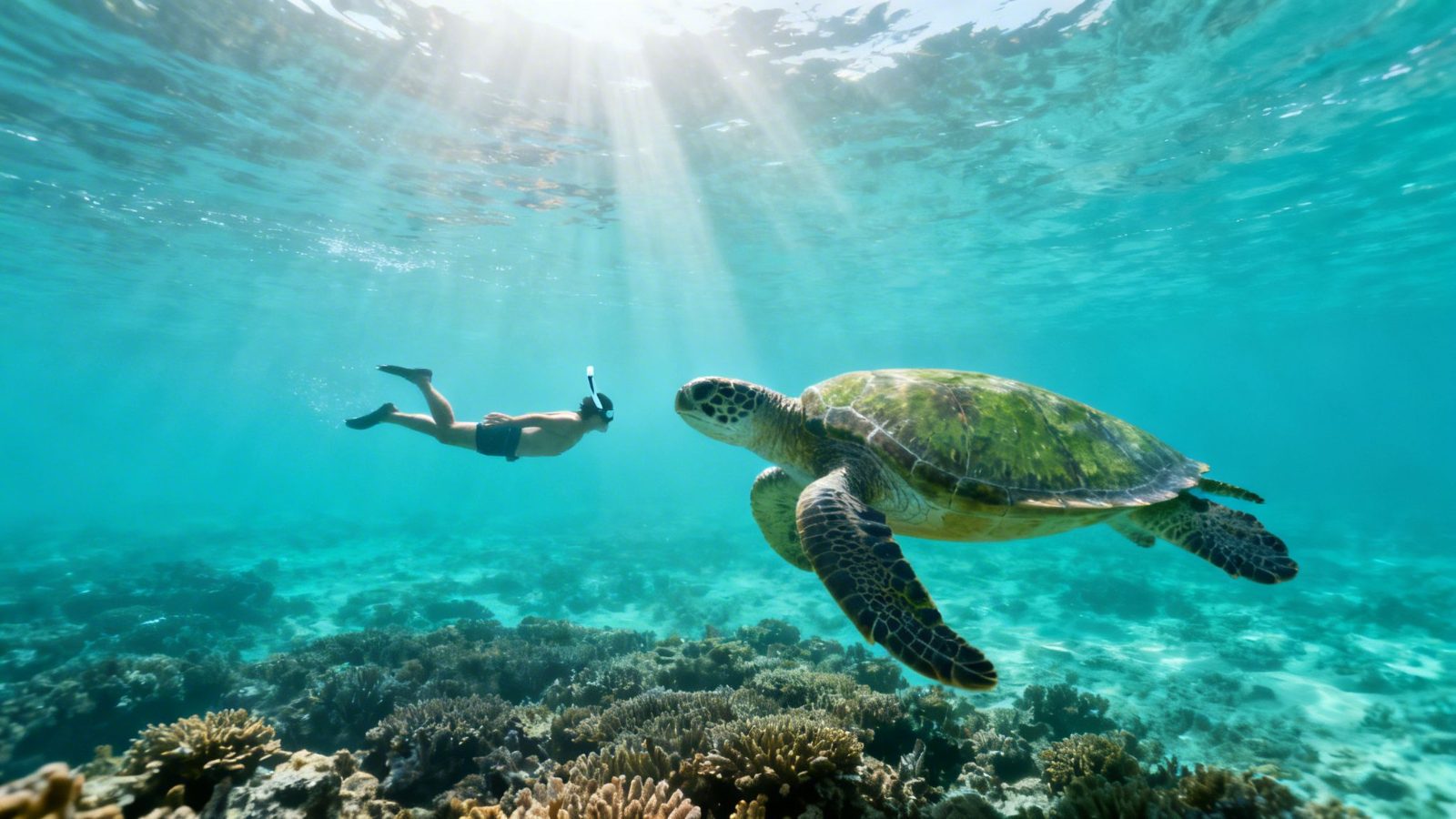
You wade in, adjusting your mask, and within moments the first turtle appears: a juvenile green, carapace mottled bronze and olive, grazing methodically on ribbon weed. It lifts its head, exhales, and dives again, entirely unbothered.
You drift parallel to the shoreline, following the contour where sand meets grass. More turtles materialize, some resting motionless on the bottom, others sculling slowly with their front flippers. The water is so clear you can count the scutes on their shells. Small damselfish dart between coral heads, and a parrotfish crunches audibly on algae-covered rock. You surface, treading water, and realize you've been holding your breath longer than necessary, transfixed.
Back on the beach, you rinse your gear in a freshwater barrel and sit on the sand, watching late-morning light fracture across the lagoon. The water taxi idles offshore, waiting. You understand now why the reserve operates without infrastructure—Signal Islet needs nothing added. The turtles, the seagrass, the light: the visit is complete as given.

Signal Island is open daily from 00:00–23:59. You can visit at any time, though specific tour operator schedules vary.
There is a 0 XPF entrance fee as it is a protected conservation area.
Tickets for a signal island turtle tour can be booked through authorized water taxi operators at the Port Moselle cruise terminal.
Bring plenty of drinking water, sunscreen, a hat, and your own snorkeling gear for the best experience.
Families are welcome, but be aware that the inflatable boat ride can be bumpy for small children.
No, there are no food or drink facilities on Signal Island. You must pack all supplies for your signal island turtle tour.
The best arrival window is 08:00–14:00 to ensure optimal daylight and better water conditions.
No, there are no toilet facilities on Signal Island, so plan accordingly before your signal island turtle tour.
The boat ride is a physical inflatable boat trip, which is not recommended for those with spinal or back issues.
Yes, you can easily combine your trip with visits to the Port Moselle markets or other nearby islets like Duck Island.