
4 hr
Signal Island Turtle Encounter & Beach Escape
Water taxi to a pristine island sanctuary where sea turtles glide through coral gardens
Reserve
Hand-picked by our editors — only the best 5 turtle encounter experiences from 47 reviewed.
Verified partners for every tour, free cancellation where available, and instant confirmation on every booking.
4 hr
Water taxi to a pristine island sanctuary where sea turtles glide through coral gardens
Reserve
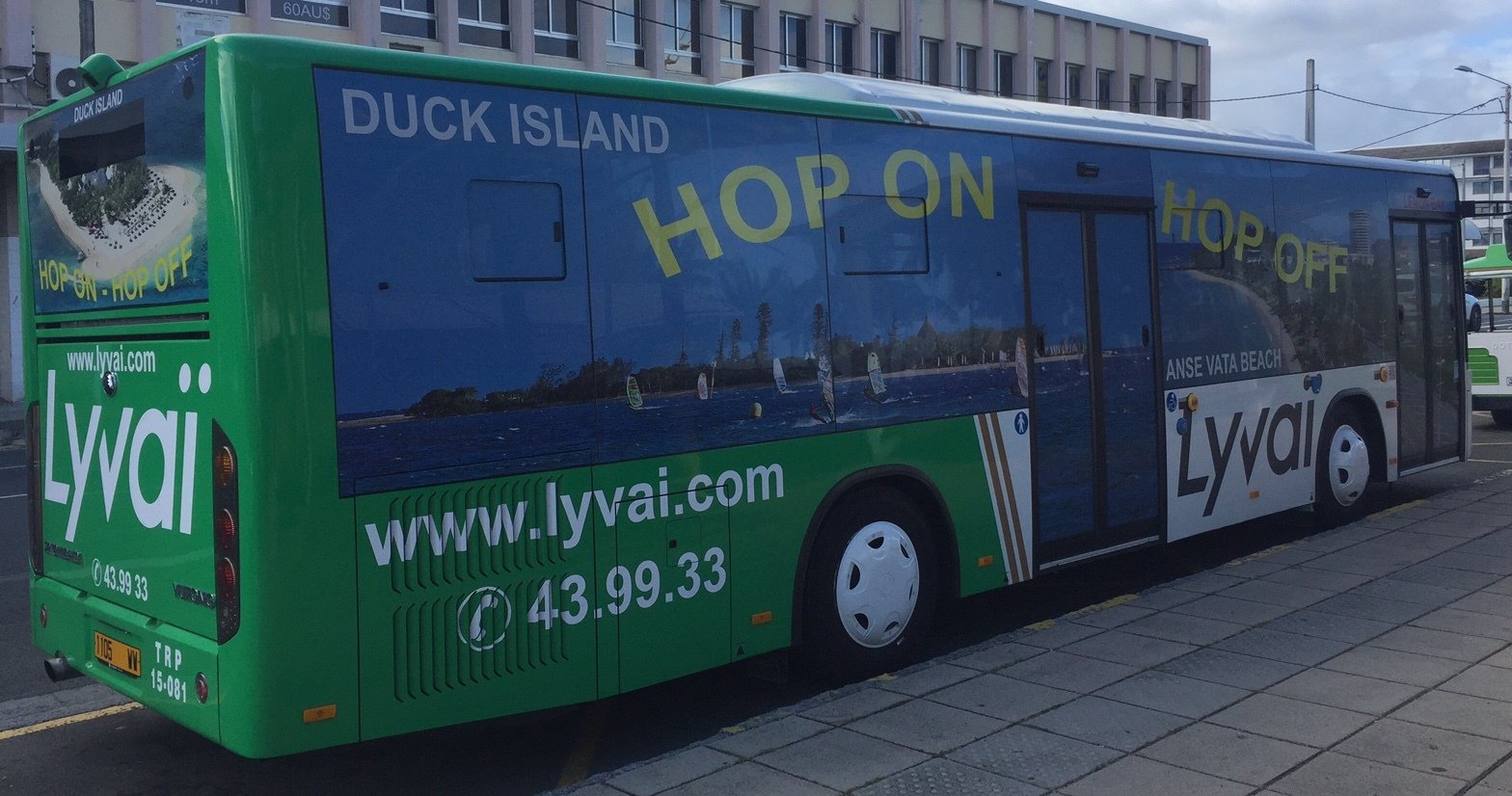
Circle Noumea's top attractions at your own pace with unlimited boarding from the cruise port.
Reserve
6 hr
Snorkel alongside sea turtles in crystal-clear lagoon waters at this protected island reserve near Nouméa
ReservePrices from verified partners. Availability updates in real time at checkout. Free cancellation policies apply where shown.
The landmarks, rooms, and views travelers on this tour remember — all visible on a single visit.
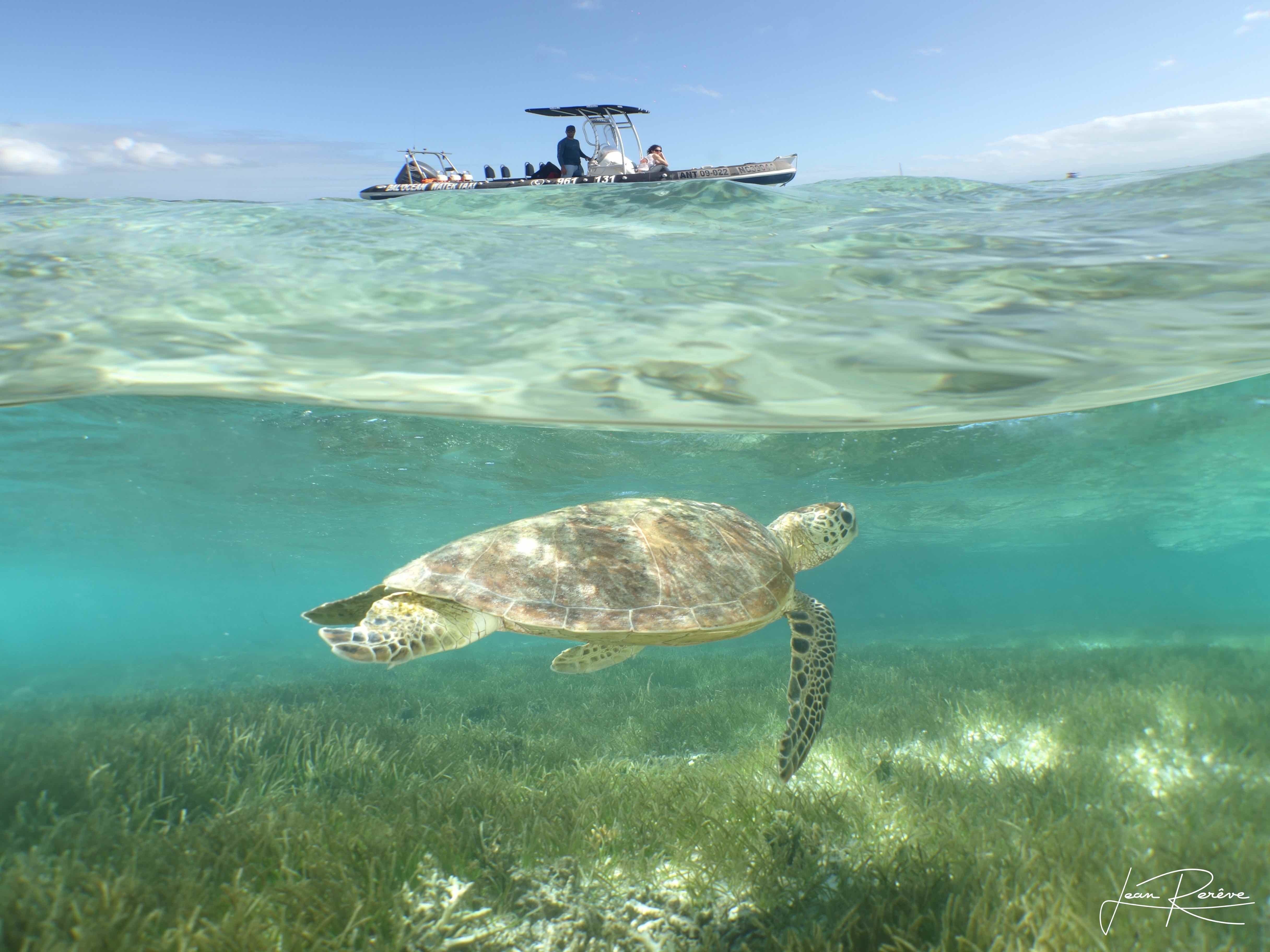
The crystal clear shallow water is home to sea turtles and diverse coral reefs. You can observe marine life within meters of the shoreline.
This short, scenic trail circles the entire island. It offers views of the surrounding turquoise waters and the distant mainland.
Specific areas are protected for nesting turtles, marked by signage. These zones are strictly off-limits to ensure conservation success.
Various seabirds use the island as a sanctuary. You can observe them from designated points along the beach.
Remnants of historical navigation aids remain on the island. These markers provide a glimpse into the island's maritime history.
Signal Island offers a pristine wilderness experience while Duck Island provides a developed leisure hub, making the choice dependent on whether you prefer raw nature or convenient amenities for your water taxi signal island turtle tour.
| Feature | Top pick Signal Island | Duck Island |
|---|---|---|
Nature Reserve Status |
Fully protected reserve | Public recreation area |
Turtle Spotting Probability |
High naturally | Low |
On-Site Dining |
None | Full service restaurant |
Ease of Access |
Requires boat transit | Short water taxi ride |
Crowd Levels |
Low/Secluded | High/Frequent |
Snorkeling Infrastructure |
Natural beach/Reef | Managed trail/Buoys |
| See tickets → |
Verdict: Those seeking a quiet encounter with marine life favor these signal island turtle tour tours for the environment, whereas visitors prioritizing food and rental gear often choose the Duck Island snorkeling escape for their water taxi signal island turtle tour tickets.
Choose your ticket, select your date, and reserve in under two minutes. Secure checkout handled by our verified partner.
Instant confirmation by email, with a mobile voucher you can save offline. No printing, no queuing at a collection desk.
Arrive at the entrance, show your voucher on your phone, and walk in. Most tickets include priority or skip-the-line access.
Practical details for your visit straight from our verified partners — hours, access, rules, and how to get there.
Nouméa, New Caledonia
Main departure point for water taxi signal island turtle tour operators
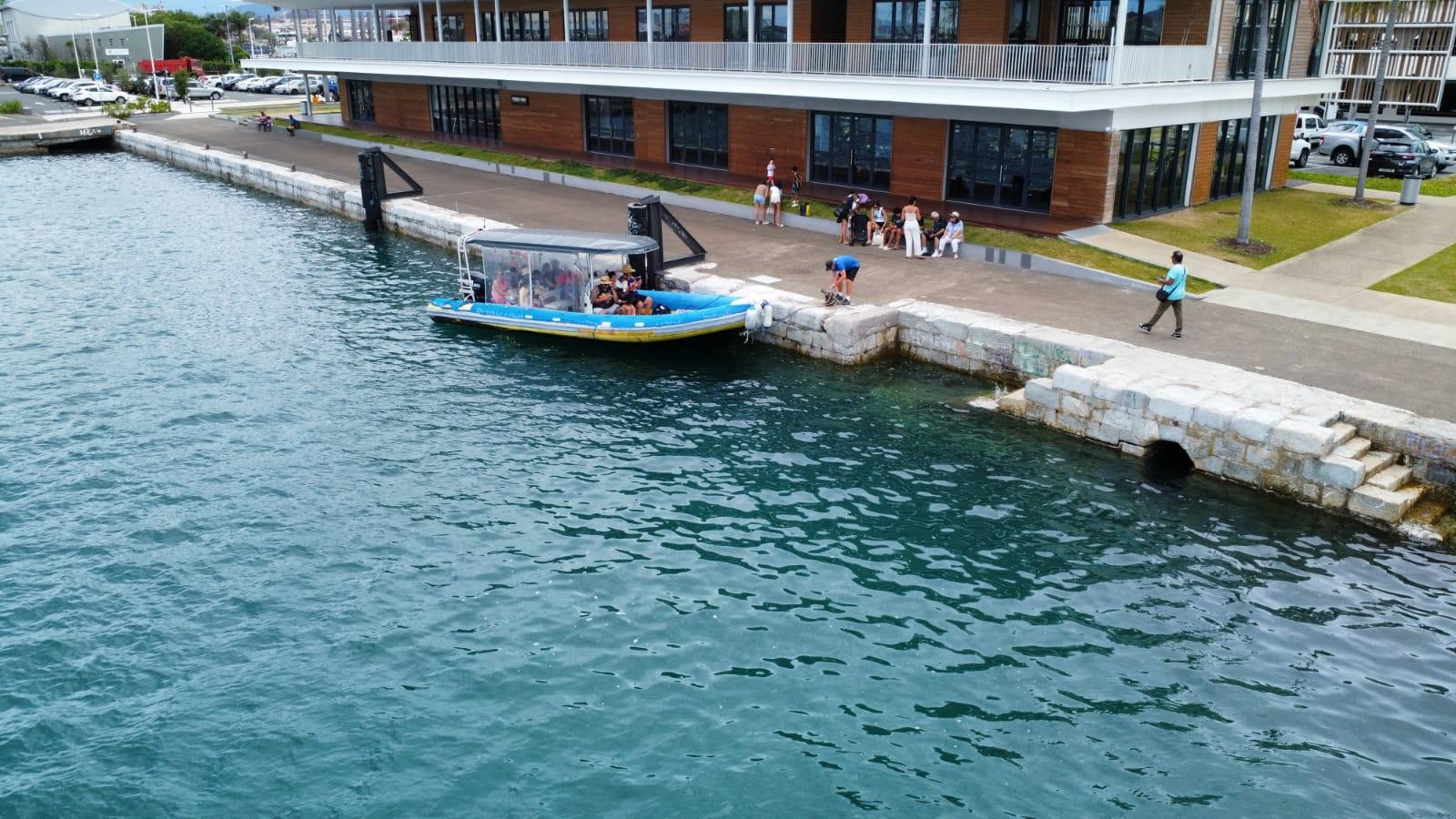
Direct transfers from Port Moselle take roughly 30 minutes. Booking a water taxi signal island turtle tour in advance ensures a reserved seat.
Wear swimwear, sun-protective clothing, and water shoes for walking on coral fragments. A hat and UV-protective shirt are recommended for any water taxi signal island turtle tour excursion.
Bring a waterproof dry bag to protect your belongings during transit. There are no lockers on the island, so carry only essential items on your water taxi signal island turtle tour.
Underwater cameras are ideal for documenting marine life. Ensure you have spare batteries as there is no electricity on the island.
The island has no paved paths or facilities for mobility aids. Visitors must be comfortable boarding a boat and walking on uneven beach terrain during a water taxi signal island turtle tour.
Mobile reception is limited in the lagoon. Use your device primarily for photography or navigation during your water taxi signal island turtle tour.
The shallow lagoon is suitable for families with children. Supervision is required at all times as there are no lifeguards on site.
No food or drink vendors operate on the island. Bring all necessary water and snacks in reusable containers to maintain the pristine environment.
Animals are prohibited to protect the nesting grounds of the island. Do not bring pets on your water taxi signal island turtle tour.
As a protected nature reserve, visitors must follow all signs regarding turtle nesting areas. Leave nothing behind to protect the ecosystem discovered during your water taxi signal island turtle tour.
Nouméa, New Caledonia
Main departure point for water taxi signal island turtle tour operators
Get directionsBest time to go, insider tips, nearby landmarks, and the cancellation fine print — flip through to skim what matters to you.
How crowds, weather, and events shift across the year.
September to November offers stable weather and calmer seas. Water visibility is excellent for any water taxi signal island turtle tour.
December to February is warmer but prone to occasional tropical humidity. Turtles are active throughout these months.
March to May provides comfortable temperatures for all-day outdoor activities. Crowds are generally thinner than in peak season.
June to August features cooler air, though water temperatures remain pleasant. Ideal for those who prefer cooler conditions for a water taxi signal island turtle tour.
Small details that turn a good visit into a great one.
The sun is exceptionally strong on the water. Wear reef-safe sunscreen to avoid damaging the habitat during a water taxi signal island turtle tour.
Aim to arrive between 09:30 and 12:00 for the best visibility. Morning light is superior for spotting sea turtles before the wind picks up.
Coral fragments can be sharp along the shoreline. Protective footwear is essential for your comfort and safety.
Everything you bring to the island must leave with you. Use designated bags to ensure no waste is left in this protected reserve.
Bring your own equipment if possible for a better fit. Many water taxi signal island turtle tour providers offer rentals, but pre-arranging is advised.
Non-bookable sights within a short walk — free to visit, easy to pair.
Popular urban beach area known for its coastal promenade and dining options. Perfect for relaxing after a water taxi signal island turtle tour.
Architectural landmark focused on Kanak culture and local history. Provides a deep look into New Caledonian heritage.
Hilltop lookout offering panoramic views of the lagoon and nearby islands. Great for sunset photography.
Flexible, no hidden fees.
Full refunds are typically available for cancellations made 24 hours in advance. No entrance fee of 0 XPF applies as it is a protected nature reserve.
Hand-picked options within walking distance — pick a district for vibe, or a specific hotel for convenience.
Central district with numerous lodging options.
Ilot Signal rises barely three meters above the lagoon's surface, a forty-hectare coral outcrop that has been a protected nature reserve since 1981. The islet lies two kilometers southwest of Noumea's Anse Vata beach, close enough that its silhouette marks every postcard view yet distant enough to filter the city's noise into open water and wind. New Caledonia's government designated the site to safeguard nesting seabirds and the green turtle population that grazes on seagrass beds ringing the shallows. No permanent structures interrupt the low scrub and white sand; the only human trace is a weathered navigation beacon at the island's north point, erected in 1952 to guide phosphate freighters into the deepwater channel. Water taxi Signal Island turtle tour departures link Noumea's marinas to the reserve's designated landing beach every day between 09:30 and 15:30. The crossing takes twelve to eighteen minutes depending on swell and tide, with rigid-hulled inflatables and small diesel launches threading the reef passages that separate the mainland shore from the barrier's inner lagoon. Visibility peaks in the morning hours before southeasterly trade winds roughen the surface; turtle sightings concentrate in the first two meters of water where Chelonia mydas browse on algae and rest in sand pockets between coral heads. The reserve's free-entry policy reflects New Caledonia's broader conservation framework, which relies on access fees at larger marine parks while keeping smaller sanctuaries open to low-impact visitation. Signal Island turtle tours operate under strict marine-park protocols: no feeding, no pursuit of wildlife, and a mandatory three-meter buffer around any turtle encountered. Guides brief passengers on approach etiquette and reef-safe sun protection before each departure. The island's shallow fringing reef extends fifty to eighty meters from the beach, creating a natural nursery zone where juvenile turtles shelter among staghorn coral and sandy channels. Peak nesting occurs between November and March, when adult females haul onto the southern shore after dark; daytime visitors between April and October see primarily subadults and foraging adults. The marine reserve shares its lagoon with three neighboring islets — Maitre, Laregnere, and Canard — each hosting similar turtle populations but differing in land access and infrastructure. Signal Island remains the least developed, with no pavilions or jetties, preserving the austere profile that captains have used as a daymark for more than a century.
"The islet lies two kilometers southwest of Noumea's Anse Vata beach, close enough that its silhouette marks every postcard view yet distant enough to filter the city's noise into open water and wind."
A step-by-step walkthrough of the visit — what you'll see, how long each stage takes, and the details that matter.
You board at Noumea's Port Moselle or Anse Vata jetty shortly after 09:30, stepping into a rigid inflatable that seats twelve across padded benches. The skipper throttles into the channel, and within three minutes the city's waterfront hotels shrink to a low white line. Ahead, Signal Island's single navigation beacon tilts above a fringe of ironwood trees, and the water beneath the hull shifts from harbour green to the turquoise clarity of the outer lagoon. Twelve minutes later the boat slows at the island's eastern landing, a crescent of coarse sand where you wade ashore in knee-deep water. The guide points out two green turtles resting in a sand hollow six meters offshore, their shells dappled with algae, flippers folded. You pull on a mask and fin into the shallows, drifting above staghorn coral that rises in plates and branches to within a meter of the surface. A juvenile turtle, carapace no wider than a dinner plate, sculls past your left shoulder and settles onto a patch of seagrass to graze. You surface, walk the beach's fifty-meter length, then return to the shallows for a second drift. The water is warm, visibility extends fifteen meters, and the only sound is your breath in the snorkel and the faint crackle of snapping shrimp in the coral. At noon the wind picks up, ruffling the surface, and the skipper signals the return crossing.
The island is open daily from 09:30–15:30.
The island is a natural reserve with sandy paths and no paved facilities, so it may be challenging for those with limited mobility.
Yes, you must bring your own food and water, as there are no vendors on the island during your water taxi signal island turtle tour.
Bring snorkeling gear, sun-safe clothing, water, and reef-safe sunscreen for your water taxi signal island turtle tour.
Visitors typically spend 4 to 5 hours on the island, including the transit time for a water taxi signal island turtle tour.
No, there are no lockers on the island; carry only what you need for your water taxi signal island turtle tour.
Visit between 09:30 and 12:00 for the best light and water clarity for your water taxi signal island turtle tour.
Photography is permitted and encouraged, especially for capturing marine life during your water taxi signal island turtle tour.
Full refunds are generally offered for cancellations made 24 hours in advance, with no entrance fee as it is a protected nature reserve.
Yes, families are welcome, provided that children are supervised at all times during the water taxi signal island turtle tour.